Introduction
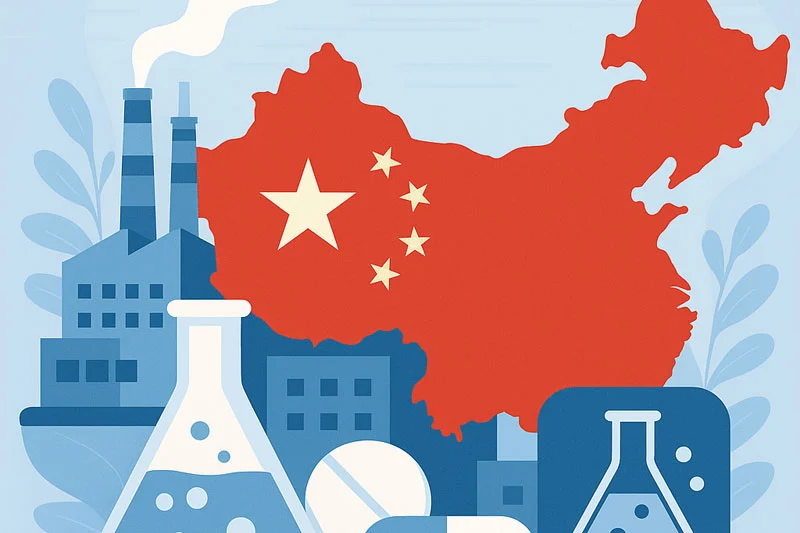
As the world's largest manufacturer of Active Pharmaceutical Ingredients (API's), China has emerged as a prime source for many international buyers looking to purchase low-cost API's. Thanks to China's size and efficiency in making large quantities of chemical products, as well as the many chemical parks and fermentation plants spread throughout its territories, many companies who require low-cost API's can find this source in China.
By following this guide, you will be able to identify the best low-cost manufacturers of API's from China in 2025, as well as understand why API's are produced in China at such low costs. In addition, you will also learn what buyers need to know before selecting a manufacturer for low-cost API's.
Table of Contents
- Reasons for the Low API Prices in China
- Top Low-Cost API Categories to Source from China in 2025
- Regulatory & Compliance Considerations
- Why Buyers Prefer China for Cost-Sensitive APIs in 2025
- Tips for Buyers Sourcing Low-Cost APIs from China
- Conclusion
Reasons for the Low API Prices in China
China's ability to produce API's at lower prices than other countries is due to China's size and consistent growth of their pharmaceutical/chemical manufacturing industry. Here are the primary reasons for this pricing advantage:
1. Huge Chemical Park Clusters
China is home to a large number of chemical park clusters, which are large industrial zones dedicated to the production of pharmaceuticals and chemicals. The proximity of these large parks allows for significant reductions in both production cost and logistics cost.
2. Low Raw Material Costs
Most raw materials needed for API manufacturing are produced domestically in China. Therefore, manufacturers do not incur the large import duties and shipping charges associated with importing these materials from other countries.
3. Large Batch Sizes
API manufacturing facilities operate high-volume production lines and produce API's in very large batch sizes. The production cost of an API is spread out over many thousands of kilograms of API that are produced during each run.
4. High Fermentation Capacity
API's that utilize fermentation processes to produce them (i.e., Antibiotics, Vitamins) are far less expensive to manufacture in China because of the large fermentation capacity of China.
5. Automation and Machine Efficiency
Most modern facilities use automated equipment, saving time and labour.
Because of these factors, China is ideal for buyers looking for bulk APIs and low-cost early-stage intermediates.
Top Low-Cost API Categories to Source from China in 2025
Chinese suppliers are known to provide exceptional pricing and reliability across the majority of API segments.
1. Vitamins & Nutraceutical APIs
China is the world's leading manufacturer of vitamins, and as a result, there are unparalleled advantages in the price of vitamins.
Popular Low-Cost Vitamin APIs Include:
- Vitamin C (Ascorbic Acid)
- Vitamin B1, B2, B3 (Niacinamide), B6, B12
- Vitamin D3
- Folic Acid
- Biotin
There are three primary reasons why buyers select China:
- Large volumes create price stability
- Significant fermentation ability
- A proven track record of global export success
Best Use Case
The ideal example of this would be companies looking to buy large quantities of products at predictable prices, such as nutraceutical companies, contract manufacturer companies, and supplement companies.
2. Antibiotic APIs
Antibiotic fermentation-based APIs are produced in large quantities in China. Antibiotic APIs are important for both human and veterinary medicine, and all companies delivering these products to hospitals, via Government Tender programs, and to large antibiotic markets.
Common Low-Cost Antibiotic APIs
- Amoxicillin
- Cefalexin / Cephalosporins
- Azithromycin
- Erythromycin
- Penicillin G / V series
- Tetracycline series
Why They’re Cheaper in China
- Decades of fermentation leadership
- Very large batch production
- Strong local ecosystem supporting fermentation inputs
Best Use Case
Companies supplying hospitals, government tenders, and large antibiotic markets.
3. Fermentation-Based APIs
One of the biggest advantages of Chinese manufacturers producing fermentation-based products is that they are so large they don't need to constantly reinvest into their fermentation plants.
Cost-Efficient Fermentation APIs Include:
- Statins (Atorvastatin, Simvastatin, Rosuvastatin intermediates)
- Amino acids
- Antifungal APIs
- Enzymes
Why Buyers Prefer China
For Chinese manufacturers, building a large fermentation plant takes a substantial upfront investment. However, since they have already built large fermentation facilities, manufacturers who source from China benefit from the biggest cost savings.
4. Commodity APIs
Antibiotic fermentation-based APIs have grown in popularity around the world and China generally has the most competitive prices for purchasing bulk quantities.
Popular Low-Cost Commodity APIs
- Paracetamol (Acetaminophen)
- Ibuprofen
- Aspirin
- Metformin
- Antihistamines (Cetirizine, Loratadine)
- Guaifenesin
These APIs are produced in very large volumes, so costs remain low.
Why These APIs Are Affordable
- Stable and predictable manufacturing
- Long-running production lines
- High availability of raw materials
Best Use Case
OTC and generic medicine manufacturers are seeking reliable and consistent bulk volumes from suppliers.
5. Early-Stage Intermediates & KSMs
China is also a major source for Key Starting Materials (KSMs) and advanced-stage intermediates used in the early stages of API production.
Popular Categories
- Oncology intermediates
- Chiral intermediates
- Aromatic and heterocyclic building blocks
- Hormone intermediates
Why Buyers Outsource KSMs to China
- Easier compliance
- Faster scale-up
- Lower cost per stage
- Ideal for reducing API manufacturing cost overall
Many companies in India, Europe, and the US source KSMs from China to reduce the total API cost.
Regulatory & Compliance Considerations
While cost advantages exist in terms of sourcing from China, purchasers of APIs must employ proper sourcing practices to ensure compliance and safety within their supply chains. A few things to keep in mind:
1. Verify GMP Status
Ask the manufacturer for:
- GMP certificate
- Audit history
- WHO-GMP (if required)
2. Check CEP, DMF, or other filings
Some Chinese suppliers do not file for regulations in all markets. Confirm the following:
- DMF availability (open or closed part)
- Validity date for and renewal of CEPs
- Availability of stability data for export markets
3. Check Documentation Quality
Request:
- 3 recent COAs
- Impurity profile
- MSDS
- Stability studies
- Batch Manufacturing Record samples
Good documentation quality shows a mature quality system.
4. Ensure Batch Consistency
Ask for:
- Current batch size
- Typical batch variation
- Historical CoA comparison
- Out-of-spec data (if any)
Consistency is key when sourcing low-cost APIs.
5. Review Change-Control Practices
Check how the company manages:
- Process changes
- Raw material changes
- Plant upgrades
- Supplier changes
Clear change-control systems reduce risk.
Tips for Buyers Sourcing Low-Cost APIs from China
The following are suggested tips for buyers looking to source low-cost APIs from China:
Tip 1: Always Compare 2–3 Manufacturers
Price differences among sources can be substantial and should always be compared before finalizing purchases.
Tip 2: Prefer suppliers who have experience with export markets
Export-oriented suppliers will be more familiar with the documentation and shipping processes.
Tip 3: Ask the supplier about their lead time
Lead time can vary considerably on the sale of large quantities of APIs, ranging from 30 to 90 days depending on the batch-load requirements.
Tip 4: Always request samples from your supplier prior to finalizing large orders
Requesting samples will give you an opportunity to evaluate the following:
(a) flowability;
(b) particle size;
(c) solubility;
(d) levels of impurities.
Tip 5: Confirmation of stability on a per-container basis is essential
This holds especially true for both vitamin and antibiotic API types.
Why Buyers Prefer China for Cost-Sensitive APIs in 2025
China is considered a preferred sourcing option for purchasers looking to procure APIs at the lowest possible cost as of 2025 and beyond, due to the following major advantages that exist in China's favor:
-
Large capacity and scale to support manufacturing;
-
Reduced cost due to manufacturing clusters located throughout the country;
-
A strong fermentation base;
-
A wide array of options within the API and API intermediates markets;
-
Consistent availability for large purchases; and
-
A regular stream of supply for export markets around the world.
As China is one of the world’s top countries for producing and exporting the bulk amounts of APIs at the lowest costs, it is a smart choice when looking to lower procurement costs while maintaining a safe, reliable, and stable sourcing chain.
Conclusion
China continues to be the leader in worldwide low-cost sources for API procurement due to its existing infrastructure of large manufacturing parks, high-capacity fermentation operations, and deep-rooted export support systems. In order for True to Rely upon the successes of their Chinese manufacturers, they should simply follow the basic requirements when it comes to sourcing products: make sure that they perform all of the necessary GMP verification on the supplier before purchasing any API, review the DMF and/or CEP documentation, and perform a detailed evaluation of the quality and thoroughness of the documentation.
Frequently Asked Questions(FAQs)
1. Why are Chinese APIs cheaper than other countries?
Chinese APIs cost less because manufacturers run very large batches, raw materials are cheaper, and chemical clusters reduce production expenses. Automation also lowers cost.
2. Which API categories are cheapest to source from China?
The most affordable categories include vitamins, antibiotics, fermentation-based APIs, commodity APIs, and early-stage intermediates.
3. Are Chinese API suppliers reliable for global markets?
Yes, many Chinese suppliers are reliable. However, buyers should check GMP certification, DMF/CEP status, and documentation quality before placing bulk orders.
4. What documents should I request from Chinese API manufacturers?
Ask for:
- 3 recent COAs
- GMP certificate
- DMF/CEP status
- Stability data
- Impurity profile
- MSDS
- Batch manufacturing record samples
5. Can Chinese APIs be used for regulated markets like the US or EU?
Yes — but only from facilities with USFDA, CEP, or EU-GMP approvals. Not all plants meet regulated-market requirements, so verification is important.
6. What are the risks of low-cost API sourcing from China?
Risks include variable documentation quality, long shipping time, and inconsistent batch quality from small factories. These risks can be reduced by choosing experienced exporters.
7. How can I ensure API quality before buying in bulk?
Always request:
- Samples
- Multiple batch COAs
- Stability reports
- Photos/videos of the production line
- Third-party audit reports
8. Which APIs should I avoid sourcing from low-tier Chinese suppliers?
Avoid sourcing HPAPIs, oncology APIs, and sterile APIs from non-regulated plants. These categories require strict quality systems.
9. How long is the usual lead time for bulk APIs from China?
Lead time is usually 30–90 days, depending on API type, batch size, and availability of raw materials.
10. Is China the best option for reducing API procurement cost?
For vitamins, antibiotics, commodity APIs, and intermediates, China offers the strongest cost advantage globally. For regulated niche APIs, India/EU/US may be better.