
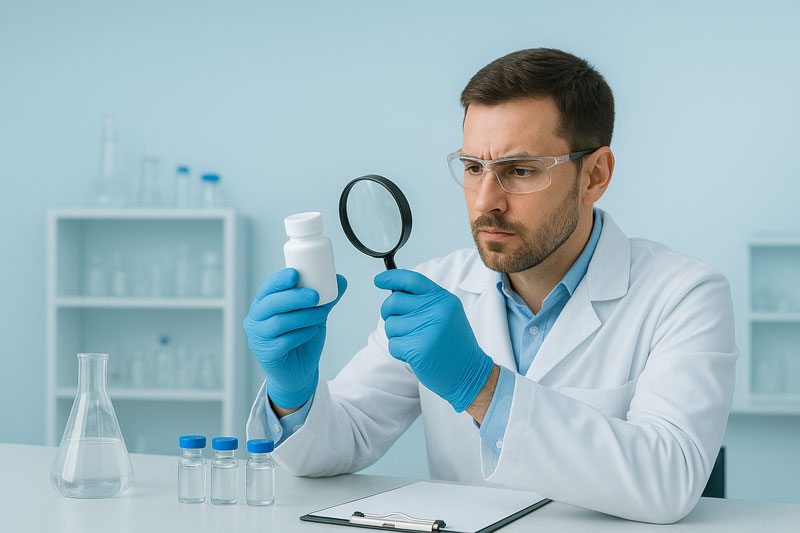
The battle against fake medicines is endless and unrelenting in all regions of the world. The World Health Organization (WHO) reports that as much as 10 percent of the medical products in the low and middle-income nations are of poor quality or falsified, and the shadow economy of these defective goods is in the billions. This is a very concerning trend that the pharmaceutical sourcing companies, health care providers, and above all, the patients, are in danger of experiencing. When a firm uses counterfeit products without even realizing it, it is subjected to dire consequences of litigation, loss of monetary funds, as well as its reputation will have been tarnished beyond retrieval.
To counteract this crucial problem, this guide will undertake a general discussion on the views related to checking the pharma suppliers and the authenticity of products in the supply chain. A systematic method of supply chain verification allows pharmaceutical organizations to retain brand, adhere to the regulations, and finally, safeguard the health of the population. The guide is an important asset to everyone involved in the pharmaceutical B2B marketplace, as it possesses the knowledge that will help one make a purchase decision with speed and certainty.
Table of Contents
Why Supplier Verification is Critical in Pharma?
The emerging counterfeit drug market is not a mere regulatory concern; it is a direct challenge to the survival of the whole pharmaceutical industry. The trends identified by different authorities, such as the WHO and the industry watchdogs, constantly indicate an increase in falsified medicines because of online sales anonymity and the existence of complicated global supply chains. The use of ineffective or dangerous counterfeit medications may trigger a crisis of patient health, the mistrust of the healthcare system, and even deaths.
The initial aspect of EEAT ( Experience, Expertise, Authority, and Trustworthiness ) in the business of pharmaceutical companies is proper supplier verification. A firm that purchases its drugs by engaging with verified pharma suppliers shows that the company cares about quality and safety, and that it is a responsible and dependable partner.
Key Steps to Verify Pharma Suppliers
With an aim to secure a true and reliable business partner, a multi-faceted checking board should be established. Here are the crucial steps:
Check Supplier Certifications & Licenses
Check the supplier certifications and ensure GMP, ISO 9001, as well as regulatory approvals, e.g., FDA, EMA, or DCGI. Always verify these credentials using official databases to verify their genuineness as well as their regulatory and international manufacturing regulations for any business transactions.
Validate Company Registration & Background
Ensure that the supplier is lawfully registered, operational, and incorporated. Trace the history, the age, and the performance of the company. Shop background of important individuals and historical malpractices and lawsuits to be a creditworthy, reliable, and transparent service as every destination to you sources of possible risks and guarantees them a credible co-operation agreement over a long period.
Request Product Samples & COAs
Order samples of products and Certificates of Analysis (COAs) to check. Confirm identity, purity, and potency, and meet specifications. Have samples tested by independent, third-party laboratories. This measure limits the possibility of fake or low-quality products, and also assures you that the standards of its quality comply with your operational and regulatory needs.
Evaluate Supply Chain Transparency
Make sure that the supplier has good visibility in the whole supply chain, which includes sourcing of the raw material and full delivery. Monitor authenticity and movement with tracking and trace systems or blockchain technology. Relevant supply chains can negate counterfeits, offer additional accountability, and show that the supplier says it possesses operational integrity and quality management.
Assess Supplier Reputation & References
The reputation of the supplier should be checked using the testimonials of consumers, case studies, and industry acknowledgment. Poll current customers to get first-hand responses on reliability, responsiveness, and quality of product. A good reputation and favorable testimonies confirm a certain level of consistency in terms of performance, reliability, and an established record keeping satisfactory and long-lasting aspects of pharmaceutical collaborations.
How to Identify Counterfeit Products in the Pharma Supply Chain?
Although a supplier has been vetted, it is important to exercise caution. Fraudsters keep perfecting their tactics, and thus, it is inevitable to know how to raise red flags.
Common red flags to watch out for:
- Packaging Errors: The inappropriate match of fonts, spelling errors, bad print work, and mismatched logos or seals.
- Pricing Anomalies: Non-prices that are at a vast point lower in comparison with the market average are a major red flag and a powerful sign that the specified product might be a fake one.
- Missing or Incorrect Information: Lack of a batch number, expiry data, and manufacturer information. Make sure that the details on the package are similar to the details on the product itself.
- Physical Inconsistencies: Pills or powders that look unfamiliar in color, size, shape, or feel, and smell.
Using digital tools to combat counterfeiting:
- QR Codes & Barcodes: Scannable codes have been installed in many legitimate products that are connected to a unique digital record of a product, hence can be verified instantly.
- Blockchain-based Tracking: This technology can ensure a secure and decentralized history of a product's lifetime between the manufacturer and final recipient, and it is almost impossible to add a forged product to the chain.
Best Practices for Safe Pharma Sourcing
In order to build a sound protection against fake products, these best practices need to be incorporated into your sourcing strategy. Between verified B2B pharma marketplaces, you should only work with those that have already vetted and onboarded suppliers who have gone through a rigorous verification process; this will go a long way in minimizing your risk. These marketplaces are the most secure means of locating bulk pharma supplier services.
Furthermore, it may be necessary to build a stable long-term relationship with several suppliers that give a higher degree of safety and visibility, given than constantly shifting among them. Lastly, embrace technology-powered compliance software, boost investment value by investing in software and technologies that allow you to automate compliance checks, serialization of products, and monitor your supply chain to detect irregularities.
Case Example: Averted Counterfeit Risk
A pharmaceutical distributor of common medicines was aiming to purchase a new order of a well-known medicine available in the market over the counter. During the process of searching the suppliers, they were presented with a quote by an unknown company that sells the product at a disbelievable low price. Although this sounded like a nice price, the intensive verification procedure of the distributor took effect. They demanded product samples and a Certificate of Analysis (COA) from them.
The distributor chose to test a sample of a product with a third-party lab to independently check the validity of what appeared to be a legitimate COA by the vendor. The lab tests were outrageous: the product was not an active pharmaceutical ingredient (API) but a relatively inexpensive inactive substance. Even the batch number on the package was not used by the legitimate manufacturer. It was due to their properly organized verification procedure that the distributor escaped a huge monetary penalty and, more importantly, has not allowed a lot of useless and possibly dangerous counterfeit pharma products to enter the hands of patients.
Conclusion
Having counterfeit pharma products is a life-threatening aspect that should be dealt with utmost diligence. Your patients and the image of your business are at stake; therefore, you need to be able to carefully check pharma suppliers. By integrating a strong, multi-level process of verifying pharma suppliers, based on checking the certifications and applying the digital video surveillance mechanisms, you can reduce the threat to a substantial extent.
To have a safe and resourceful approach to acquiring quality products, supply with the help of a special pharmaceutical B2B marketplace. These platforms offer a vetted pool of suppliers, which makes the verification process easier and serves as an added protection. Make the initial step by ensuring focus on the aspects of a safe supply chain through effective supplier verification.